
Insights, guides, and success stories on business certifications and growth

In pursuit of Minority Business Enterprise (MBE), Disadvantaged Business Enterprise (DBE), and Women's Business Enterprise (WBE) certifications, the validation of ethnicity holds significant importance. The primary document for demonstrating ethnic or racial background is typically the long form of the majority owner's birth certificate. If the applicant's birth certificate does not specify ethnicity or race, a parent's or grandparent's birth certificate may be required to establish minority status through lineage. Alternatively, a death certificate of a parent or grandparent can sometimes be used to provide necessary ethnic or racial information. Affidavits or notarized statements from community leaders also serve as official confirmation of minority status

Discover how DBE certification can open doors to federal and state government contracts, boost revenue, and provide long-term stability for your business. Learn about financial impacts, success stories, and key advantages to position your company for growth.

Learn how to successfully apply for DBE certification by understanding the key steps, preparing accurate documentation, and avoiding common mistakes. Gain access to government contracts and unlock new business growth opportunities.

Learn how to fully leverage your DBE certification by building strong industry connections, securing subcontracting opportunities, and participating in training and mentorship programs to grow your business and increase revenue.

The remarkable benefit of being a woman and belonging to a minority group presents a significant opportunity in the business world, enabling eligibility for dual certifications: MBE (Minority Business Enterprise) and WBE (Women Business Enterprise).
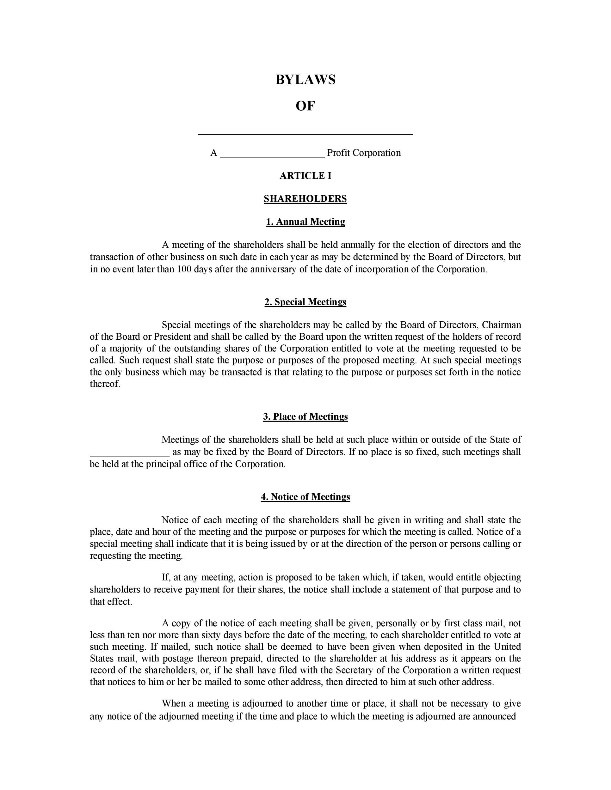
Incomplete documentation regarding ownership structure is another common issue that can result in Minority Business Enterprise (MBE), Disadvantaged Business Enterprise (DBE), and Women's Business Enterprise (WBE) certification rejections.
To take advantage of the opportunities offered by Minority Business Enterprise (MBE) certification, your business must meet specific eligibility criteria.
Navigating the SBA 8(a) certification application process requires a clear understanding of the essential criteria that determine eligibility

The journey of minority and women-owned businesses leveraging their MBE, DBE, WBE, and SBA 8(a) certifications is inspiring. Here are some success stories that showcase how these certifications have helped businesses secure contracts and achieve significant growth.

In today's competitive business landscape, Women Business Enterprise (WBE) certification serves as a powerful catalyst for growth and opportunity. With a focus on promoting diversity and inclusion, this certification opens doors to a range of benefits that can significantly enhance a woman-owned business's prospects.

The SBA 8(a) program plays a pivotal role in empowering small businesses across the United States, with over 9,000 companies currently benefiting from its resources and opportunities.

Certification as a Minority Business Enterprise (MBE), Disadvantaged Business Enterprise (DBE), or Women-Owned Business Enterprise (WBE) can be a game-changer for businesses across various industries.
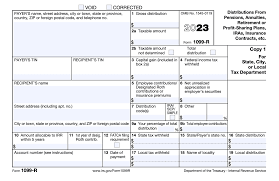
When pursuing MBE (Minority Business Enterprise), DBE (Disadvantaged Business Enterprise), or WBE (Women Business Enterprise) certifications, including W-2s and/or 1099 forms is crucial as they provide essential proof of employment and contractor relationships, respectively.
In pursuit of Minority Business Enterprise (MBE), Disadvantaged Business Enterprise (DBE), and Women's Business Enterprise (WBE) certifications, the validation of ethnicity holds significant importance.

The landscape of entrepreneurship is rapidly evolving, with women making significant strides in business ownership across the United States.

Holding multiple business certifications can provide a competitive edge in the marketplace. This post will explore the various benefits associated with being certified in more than one area.

Provide marketing tips and strategies specifically tailored for businesses looking to promote their MBE, DBE, or WBE certification effectively.
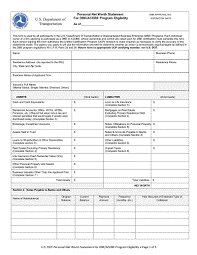
A personal net worth statement provides a comprehensive overview of an individual’s financial position, playing a crucial role in the eligibility assessment for Disadvantaged Business Enterprise (DBE) certification.
The processing time is generally 90 days from the date the application is submitted.

Disadvantaged Business Enterprise (DBE) certification is a powerful tool for minority and disadvantaged-owned businesses seeking to thrive in competitive markets, particularly within the transportation and infrastructure sectors.

The SBA 8(a) Business Development Program is an essential tool for small, disadvantaged businesses aiming to access the federal procurement market.

The Disadvantaged Business Enterprise (DBE) certification is a federal program designed to increase the participation of disadvantaged-owned businesses in projects funded by the US Department of Transportation and other federal sectors.

<div style="text-align: right;"><ul><li><span style="font-size: 1rem; text-align: center;">When applying for MBE (Minority Business Enterprise), DBE (Disadvantaged Business Enterprise), or WBE (Women Business Enterprise) certification, proof of initial investment for a company's owners is crucial. </span></li></ul></div>

The certification application processes for MBE, WBE, DBE, and SBA 8(a) can pose significant challenges, but with the right strategies and resources, businesses can navigate these hurdles effectively.

<span style="font-size: 1rem;">The Minority Business
Enterprise (MBE) certification has proven to be a powerful catalyst for
many businesses, enabling them to access new markets, secure contracts,
and achieve sustainable growth. </span>
The Minority Business Enterprise (MBE) certification has proven to be a powerful catalyst for many businesses, enabling them to access new markets, secure contracts, and achieve sustainable growth.

WBE Certification, or Women’s Business Enterprise Certification, is a formal recognition that validates a business as being led and managed by women. This certification highlights the company’s commitment to diversity and positions it prominently as a key player in the women-owned business sector.

Misconceptions about MBE, DBE, and WBE certifications can hinder business owners from pursuing these valuable credentials. This post aims to clarify these myths and provide accurate information.

Women Business Enterprise (WBE) certification has become a vital tool for women-owned businesses, enabling them to access new opportunities, secure government contracts, and achieve remarkable growth.

The SBA 8(a) certification is a powerful tool for small businesses seeking to expand their opportunities and drive growth. Designed to assist socially and economically disadvantaged entrepreneurs, this program offers a range of benefits that can significantly enhance a firm's competitiveness in the marketplace.

Certification as a Minority Business Enterprise (MBE), Disadvantaged Business Enterprise (DBE), or Women Business Enterprise (WBE) extends beyond the individual business; it fosters broader societal change by promoting diversity, equity, and inclusion within industries and communities.

Build your sales funnel, grow your business with this special technique.

Maintaining your business certification is as crucial as obtaining it. Certifications enhance credibility and open doors, but they require ongoing effort to keep up. This post explores best practices for sustaining your MBE, DBE, WBE, or 8(a) certification.

The success metrics of certified DBEs illustrate their significant impact on the U.S. economy.
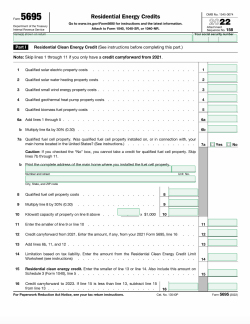
Companies seeking Minority Business Enterprise, Disadvantaged Business Enterprise, and Women's Business Enterprise certifications must ensure their tax forms and schedules are not only accurate but also complete, dated and signed by the majority owner.

Navigating the application process for Women Business Enterprise (WBE) certification can be a pivotal step for women entrepreneurs seeking to expand their business opportunities. To qualify, applicants must meet specific key criteria that ensure the integrity and purpose of the program.
The SBA 8(a) Business Development Program has transformed the landscape for many small businesses, providing them with unique opportunities to thrive in the competitive world of federal contracting.

Connecting with the right resources can significantly enhance the success of MBE and DBE businesses. This post outlines various support systems available to help these businesses thrive in a competitive landscape.
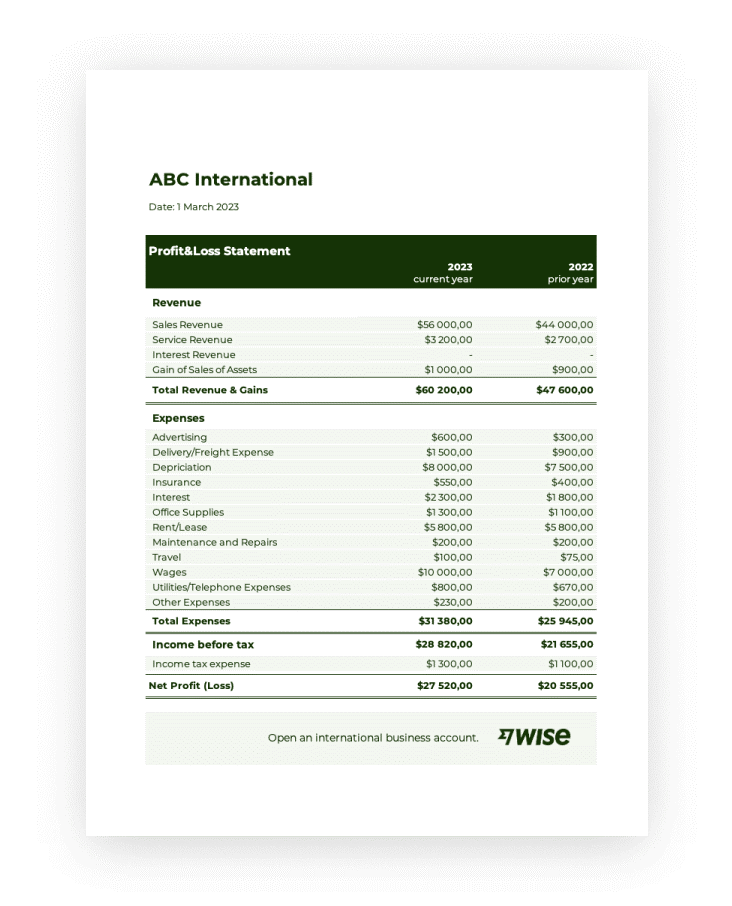
One of the most frequent reasons for Minority Business Enterprise (MBE), Disadvantaged Business Enterprise (DBE), and Women's Business Enterprise (WBE) certification rejections is inaccurate or incomplete financial statements.
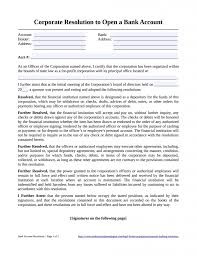
When applying for Minority Business Enterprise (MBE), Disadvantaged Business Enterprise (DBE), or Women Business Enterprise (WBE) certification, certain mandatory requirements, such as providing a Copy of Bank Signature Authorization Card or Corporate Resolution, play a crucial role in validating the business's operational legitimacy and financial structure.
These metrics underscore the importance of MBE certification in fostering diversity, driving economic growth, and promoting inclusivity across industries. Discover how certified MBEs are reshaping the business landscape and creating opportunities for future generations!

Achieving Minority Business Enterprise (MBE) certification can transform your business by opening doors to a wealth of opportunities.

Disadvantaged Business Enterprise (DBE) certification offers a wealth of benefits for entrepreneurs seeking to enhance their business opportunities and drive growth.

To participate in the Disadvantaged Business Enterprise (DBE) program, businesses must meet specific eligibility criteria designed to ensure that the program supports truly disadvantaged individuals.

Applying for Minority Business Enterprise (MBE), Disadvantaged Business Enterprise (DBE), or Women Business Enterprise (WBE) certification involves meticulous attention to documentation, particularly concerning the business's physical location.
The Minority Business Enterprise (MBE) certification is a vital designation that validates a business as being led and managed by individuals from minority groups.

Business certifications like MBE, DBE, WBE, and 8(a) are vital for minority-owned and disadvantaged businesses. They provide access to new markets, funding opportunities, and credibility. This post will guide you through the entire journey, from the application process to celebrating your certification award.


